Have you ever wanted to feel the clash of steel first-hand? Looking for a way to keep active?
We train you in the art of medieval fencing to help you keep fit, fight better, and recreate history.
Begin your journey with Bastion HEMA today.
We train you in the art of medieval fencing to help you keep fit, fight better, and recreate history.
Begin your journey with Bastion HEMA today.
This is the place to start
Stay Ahead: Join Our HEMA Waitlist
Whether you're an adult or a teen, your journey into the world of historical fencing starts here. Fill out the form to secure your spot in the next available session and we'll guide your first steps.
Whether you're an adult or a teen, your journey into the world of historical fencing starts here. Fill out the form to secure your spot in the next available session and we'll guide your first steps.

|
|

Overview
Come train with Asia's largest historical fencing academy! Bastion offers a variety of programs tailored to different age groups, designed to guide you safely and confidently into the world of medieval fencing.
Basics and Safety Program (18+)
Sword, Fitness, Fun – Your Journey Starts Here
Our basics program for 18 to Adults. We will begin by introducing you to the medieval langes messer, or long knife, one of the most prolific weapons of the medieval ages. Upon graduating from this program, you'll be ready to advance to our novice classes, which include the Augsburg messer, longsword, sword & buckler, and spear. Loaner equipment is included in all membership tiers. Completion of the Basics & Safety program is mandatory for all Bastion members to ensure that everyone understands the same safety protocols and standards.
Rook Training Program (13 to 17)
Singapore's only Medieval Program for Youths
Welcome to the Rook Medieval Fencing Program, an exciting journey into the world of martial arts for youths aged 13 to 17. Our program is dedicated to fostering a strong mind-body connection, encouraging physical activity, and igniting a passion for medieval fencing in a supportive and engaging community.
Starting martial arts early lays the foundation for a strong mind-body connection. Our program is designed to introduce youths to the art and discipline of medieval fencing, keeping them active while enhancing their physical, mental, and emotional development. Join us for an enriching journey through the exciting world of medieval fencing.
Come train with Asia's largest historical fencing academy! Bastion offers a variety of programs tailored to different age groups, designed to guide you safely and confidently into the world of medieval fencing.
Basics and Safety Program (18+)
Sword, Fitness, Fun – Your Journey Starts Here
Our basics program for 18 to Adults. We will begin by introducing you to the medieval langes messer, or long knife, one of the most prolific weapons of the medieval ages. Upon graduating from this program, you'll be ready to advance to our novice classes, which include the Augsburg messer, longsword, sword & buckler, and spear. Loaner equipment is included in all membership tiers. Completion of the Basics & Safety program is mandatory for all Bastion members to ensure that everyone understands the same safety protocols and standards.
Rook Training Program (13 to 17)
Singapore's only Medieval Program for Youths
Welcome to the Rook Medieval Fencing Program, an exciting journey into the world of martial arts for youths aged 13 to 17. Our program is dedicated to fostering a strong mind-body connection, encouraging physical activity, and igniting a passion for medieval fencing in a supportive and engaging community.
Starting martial arts early lays the foundation for a strong mind-body connection. Our program is designed to introduce youths to the art and discipline of medieval fencing, keeping them active while enhancing their physical, mental, and emotional development. Join us for an enriching journey through the exciting world of medieval fencing.

"I thought it was a pretty geeky sport, didn't realize how much muscle and stamina you need for swordfighting! After coming to Bastion, I have defined biceps now, which attests to how strength-building swordfighting is. It's not a geeky sport, it's BADASS. And a very cool skill to have! It's a nice way to socialize, I build strength while swordfighting, and I get to take photos of me wielding pretty cool swords."
- N. Huda
- N. Huda

"Before coming to Bastion, I thought that swordfighting was complex and difficult to learn. Now, it's still very complex, but with Bastion, learning it is actually not as hard as I thought. However, pulling off the moves takes more skill than I previously imagined. I have gained a good understanding of how weapons are used, get great workouts, and have a lot of fun in general."
- L.Yeoh
- L.Yeoh
⬇ FAQ Below ⬇

Question: I am new to martial arts, can I learn HEMA?
Are you worried that starting a martial art would be overwhelming, complex, or difficult?
No prior martial experience is necessary to start with us.
Did you know that over 60% of our students start with zero experience in martial arts? It's true! Our program welcomes beginners, and our largest demographic is made up of adults who are interested in martial arts that align with their passion for fantasy or history. Furthermore, 90% of them choose to continue their training into fitness, medieval combat, all while forging enduring friendships along the way.
We understand that starting something new can be intimidating, especially when it comes to martial arts and historical combat. That's why we prioritize creating a supportive and inclusive environment where beginners can feel comfortable and confident in their learning journey. Throughout the program, you'll gradually learn basic hews, footwork, and defensive techniques, building a solid foundation for your skills. Our curriculum is carefully structured to ensure a progressive and systematic approach.
This means experiencing less frustration while getting stronger through learning how to fight and having fun along the way!
Are you worried that starting a martial art would be overwhelming, complex, or difficult?
No prior martial experience is necessary to start with us.
Did you know that over 60% of our students start with zero experience in martial arts? It's true! Our program welcomes beginners, and our largest demographic is made up of adults who are interested in martial arts that align with their passion for fantasy or history. Furthermore, 90% of them choose to continue their training into fitness, medieval combat, all while forging enduring friendships along the way.
We understand that starting something new can be intimidating, especially when it comes to martial arts and historical combat. That's why we prioritize creating a supportive and inclusive environment where beginners can feel comfortable and confident in their learning journey. Throughout the program, you'll gradually learn basic hews, footwork, and defensive techniques, building a solid foundation for your skills. Our curriculum is carefully structured to ensure a progressive and systematic approach.
This means experiencing less frustration while getting stronger through learning how to fight and having fun along the way!
Question: What can I expect at the Introduction Session?
Your introductory session at Bastion will give you a glimpse of what Bastion is all about. You'll learn about the different types of swords we teach and what to expect from the course. The class will focus on getting you started with simple stepping and hewing techniques. Our experienced instructors will guide you step by step, providing all the foundational knowledge you need right from the beginning. Our goal is to inspire and ignite your passion during the session.
At the end of the class, we'll hold a Q&A session, providing an opportunity for you to ask any questions you may have about the art, our classes, or your potential journey with us. Should you decide to continue your martial arts journey with us, we'll assist you through the enrollment process and help you find the best class for your needs.
Whether you're a complete beginner or have prior experience, our classes are designed to accommodate all levels. Your session is about exploration, learning, and fully embracing the enriching experience of Historical European Martial Arts (HEMA). We can't wait to share this remarkable journey with you. All you need for the session: 1) Comfortable clothing to move and exercise in. 2) Covered shoes. 3) Reusable water bottle. There is a water dispenser available, as well as other refreshments like canned tea, Milo, and 100+.
Your introductory session at Bastion will give you a glimpse of what Bastion is all about. You'll learn about the different types of swords we teach and what to expect from the course. The class will focus on getting you started with simple stepping and hewing techniques. Our experienced instructors will guide you step by step, providing all the foundational knowledge you need right from the beginning. Our goal is to inspire and ignite your passion during the session.
At the end of the class, we'll hold a Q&A session, providing an opportunity for you to ask any questions you may have about the art, our classes, or your potential journey with us. Should you decide to continue your martial arts journey with us, we'll assist you through the enrollment process and help you find the best class for your needs.
Whether you're a complete beginner or have prior experience, our classes are designed to accommodate all levels. Your session is about exploration, learning, and fully embracing the enriching experience of Historical European Martial Arts (HEMA). We can't wait to share this remarkable journey with you. All you need for the session: 1) Comfortable clothing to move and exercise in. 2) Covered shoes. 3) Reusable water bottle. There is a water dispenser available, as well as other refreshments like canned tea, Milo, and 100+.
Question: Where is the training hall located?
Our training hall is at Tailee Industrial Building, 39 Jalan Pemimpin #06-09, 577182. The nearest train station is Marymount MRT Exit B (3 Mins Walk).
Our training hall is at Tailee Industrial Building, 39 Jalan Pemimpin #06-09, 577182. The nearest train station is Marymount MRT Exit B (3 Mins Walk).
Question: What are some benefits to learning medieval fencing?
Wielding a sword is not only an exciting journey into the world of historical combat but also a fantastic way to improve your overall fitness. At Bastion, our dynamic training program combines technique drills, with contextual learning, and sparring. With each swing, parry, and riposte, you engage your entire body in a full-body workout that combines strength, endurance, agility, and mental focus.
Training at Bastion goes beyond the physical aspects of swordsmanship. We believe in fostering mental focus, concentration, and strategic thinking. The learning and application of historical techniques engages you to stay present, react quickly, and adapt to different opponents and situations.
On top of our main training program in medieval combat, we offer a physical training program known as Bashfit. As historical combat can be demanding, it's crucial to develop a strong mind and body. Bashfit focuses on improving your fitness by developing the muscles around key joints to prevent injuries from overexertion and enhance strength and power. The result is increased fitness, effectiveness, and endurance when wielding a sword!
Wielding a sword is not only an exciting journey into the world of historical combat but also a fantastic way to improve your overall fitness. At Bastion, our dynamic training program combines technique drills, with contextual learning, and sparring. With each swing, parry, and riposte, you engage your entire body in a full-body workout that combines strength, endurance, agility, and mental focus.
Training at Bastion goes beyond the physical aspects of swordsmanship. We believe in fostering mental focus, concentration, and strategic thinking. The learning and application of historical techniques engages you to stay present, react quickly, and adapt to different opponents and situations.
On top of our main training program in medieval combat, we offer a physical training program known as Bashfit. As historical combat can be demanding, it's crucial to develop a strong mind and body. Bashfit focuses on improving your fitness by developing the muscles around key joints to prevent injuries from overexertion and enhance strength and power. The result is increased fitness, effectiveness, and endurance when wielding a sword!

Question: How does your training schedule work?
Our curriculum is structured on a weekly basis, with multiple sessions offered each week to accommodate different schedules. Our training week starts on Monday. This flexible arrangement enables you to attend class without missing out on vital lesson content. For instance, if it is held on Monday, Wednesday, and Saturday, you can attend any of those sessions based on your availability. You're not tied down to a particular day!
In general, our facility hosts activities daily. We offer sword lessons for various skill levels almost every weekday evening, as well as from morning to evening on weekends. Additionally, Bashfit and sword study sessions are held two to three times a week, available on both weekdays and weekends. Most participants find our schedule flexible enough to accommodate their own, managing to attend two days of training per week.
Our curriculum is structured on a weekly basis, with multiple sessions offered each week to accommodate different schedules. Our training week starts on Monday. This flexible arrangement enables you to attend class without missing out on vital lesson content. For instance, if it is held on Monday, Wednesday, and Saturday, you can attend any of those sessions based on your availability. You're not tied down to a particular day!
In general, our facility hosts activities daily. We offer sword lessons for various skill levels almost every weekday evening, as well as from morning to evening on weekends. Additionally, Bashfit and sword study sessions are held two to three times a week, available on both weekdays and weekends. Most participants find our schedule flexible enough to accommodate their own, managing to attend two days of training per week.
Question: How do you offer premium historical fencing training at such reasonable prices compared to other martial arts places?
A: Our prices remain competitive because our instructors are driven by their passion for historical fencing and their commitment to sharing this knowledge with others. We believe in accessibility, ensuring that everyone has the chance to learn and appreciate the art of historical fencing. By organizing affordable group classes and focusing on community engagement, we foster a strong community in Singapore. Our community and history-first approach means we prioritize a supportive environment over profit. We also employ efficient resource management and operational practices to keep costs low, passing those savings on to our students.
A: Our prices remain competitive because our instructors are driven by their passion for historical fencing and their commitment to sharing this knowledge with others. We believe in accessibility, ensuring that everyone has the chance to learn and appreciate the art of historical fencing. By organizing affordable group classes and focusing on community engagement, we foster a strong community in Singapore. Our community and history-first approach means we prioritize a supportive environment over profit. We also employ efficient resource management and operational practices to keep costs low, passing those savings on to our students.
Question: What are the membership fees like?
Bastion offers 3 types of memberships for our 18 and above programs, tailored to different levels of commitment and training goals:
Squire Membership (Starter Membership)
"I want to start training but I'm unsure if I'll benefit from a higher level of commitment initially."
This tier provides a balanced introduction to our training programs, allowing you to ease into the art of historical fencing at your own pace. It provides a solid foundation with enough sessions to start learning and appreciating the techniques and history, without feeling overwhelmed.
Knight Membership (Enhanced Access Membership)
"I’m committed to improving my historical fencing skills but need a balance between intensive training and other commitments."
This tier is perfect for those looking to advance their historical fencing more seriously while maintaining a balanced lifestyle. It offers ample training opportunities to ensure noticeable progress in your fencing skills and understanding of historical techniques, while still allowing time for other activities and responsibilities.
Baron Membership (Premium Access Membership)
"I’m dedicated to mastering historical fencing and want the maximum training opportunities available."
This tier is tailored for the most dedicated historical fencing practitioners who want to make the most out of their training. It offers the highest level of access needed to deeply understand historical techniques, and refine your skills for excellence.
Squire Membership (Starter Membership)
"I want to start training but I'm unsure if I'll benefit from a higher level of commitment initially."
This tier provides a balanced introduction to our training programs, allowing you to ease into the art of historical fencing at your own pace. It provides a solid foundation with enough sessions to start learning and appreciating the techniques and history, without feeling overwhelmed.
Knight Membership (Enhanced Access Membership)
"I’m committed to improving my historical fencing skills but need a balance between intensive training and other commitments."
This tier is perfect for those looking to advance their historical fencing more seriously while maintaining a balanced lifestyle. It offers ample training opportunities to ensure noticeable progress in your fencing skills and understanding of historical techniques, while still allowing time for other activities and responsibilities.
Baron Membership (Premium Access Membership)
"I’m dedicated to mastering historical fencing and want the maximum training opportunities available."
This tier is tailored for the most dedicated historical fencing practitioners who want to make the most out of their training. It offers the highest level of access needed to deeply understand historical techniques, and refine your skills for excellence.
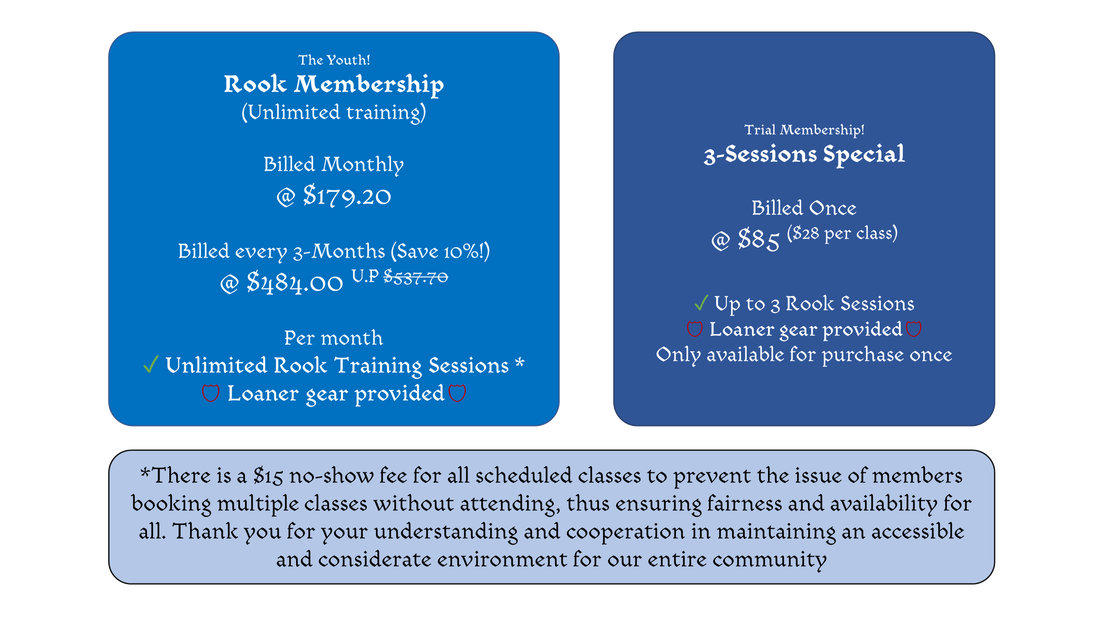
Rook Membership (For 13 - 17 years old)
Bastion offers 1 type of membership for our Rook program, keeping the choice simple for teens:
Rook Membership (Deep Immersion Membership)
"As a teen practitioner, I'm looking to immerse themselves in the art of historical fencing, together with consistent and frequent training to stay engaged and rapidly develop my skills."
Rook offers unlimited historical fencing sessions for teens at the same price as our Starter tier. This provides ample practice time, allowing teens to develop their skills, build confidence, and stay actively engaged in a supportive and dynamic training environment.
Rook Membership (Deep Immersion Membership)
"As a teen practitioner, I'm looking to immerse themselves in the art of historical fencing, together with consistent and frequent training to stay engaged and rapidly develop my skills."
Rook offers unlimited historical fencing sessions for teens at the same price as our Starter tier. This provides ample practice time, allowing teens to develop their skills, build confidence, and stay actively engaged in a supportive and dynamic training environment.

Q1) Unsure if it's for you?
Come to our introduction session and see for yourself! Join us if you've enjoyed!
Q2) And should you lose interest after that?
We have a ‘Code of Honour’ Guarantee.
Should you decide to quit within your first year, may it be dissatisfaction with the courses, or perhaps HEMA is not for you, we are more than willing to refund you up to a maximum of six weeks.
Q3) How do I get in touch with you?
You can send an email to [email protected], or fill in the contact form.
We will do our best to reply you as soon as we can!
Come to our introduction session and see for yourself! Join us if you've enjoyed!
Q2) And should you lose interest after that?
We have a ‘Code of Honour’ Guarantee.
Should you decide to quit within your first year, may it be dissatisfaction with the courses, or perhaps HEMA is not for you, we are more than willing to refund you up to a maximum of six weeks.
Q3) How do I get in touch with you?
You can send an email to [email protected], or fill in the contact form.
We will do our best to reply you as soon as we can!